May 2022
”By bike from fort to fort — an expedition into the past” in the Karst
Our trip from Koper started early in the morning. We headed to the Karst region, in southwestern Slovenia, by arriving to Pliskovica, a charming village located in the Municipality of Sežana, first. Even though our way was not supposed to be difficult while driving, but somehow we took a wrong turn close to Divača and got lost. We finally arrived to our accommodation a few minutes late.
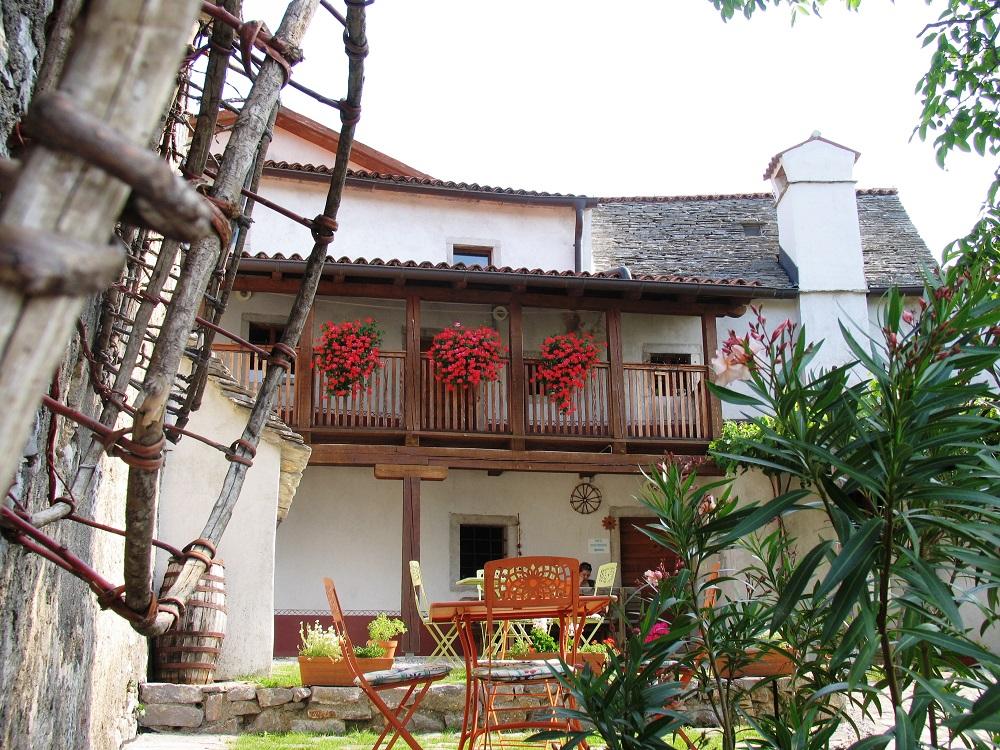
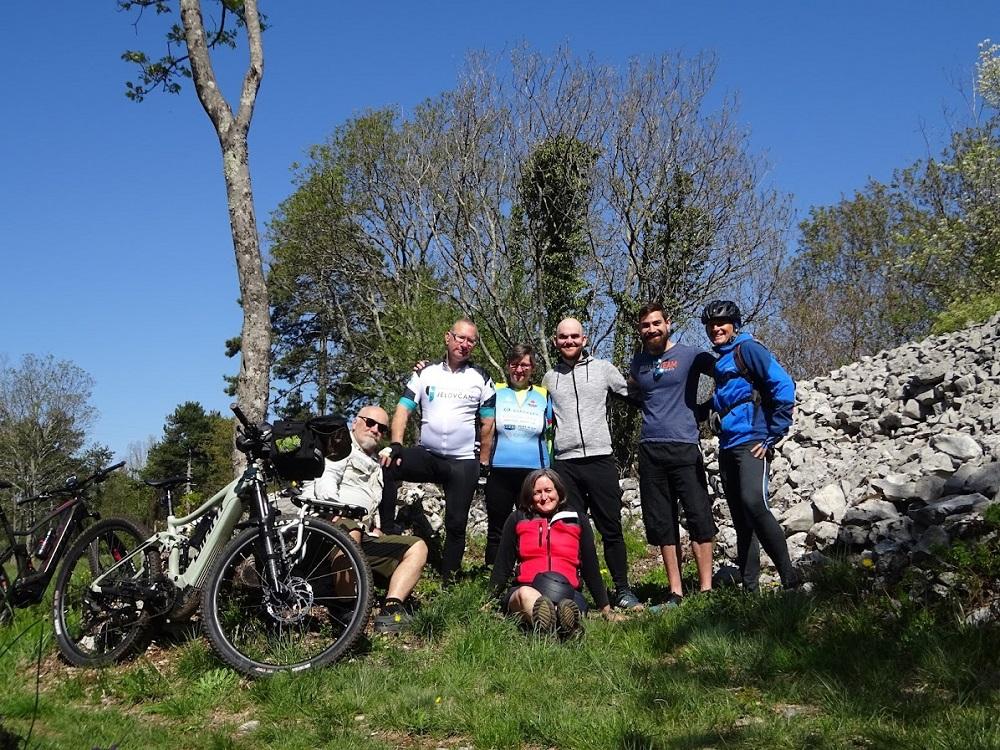
We arrived at the Apartma Hiša Pliskovica around 9:00 AM, one of the most charming places to stay in the Karst area where almost every householder makes their own wine. Our host, Veronika, and her playful dog Lumpa were waiting for us. Irena and Ivo, our guides, were there too. However, on this two-day cycling trip we were not alone: Igor, Milan and Mojca from Gorenjska were ready for this adventure and joined us, as well.
We were welcomed with a great breakfast, accompanied with many Karst delicacies which included local goat cheese and milk, even a frtalja with asparagus that Irena had prepared. Everything was delicious and it was a perfect way to start the day.
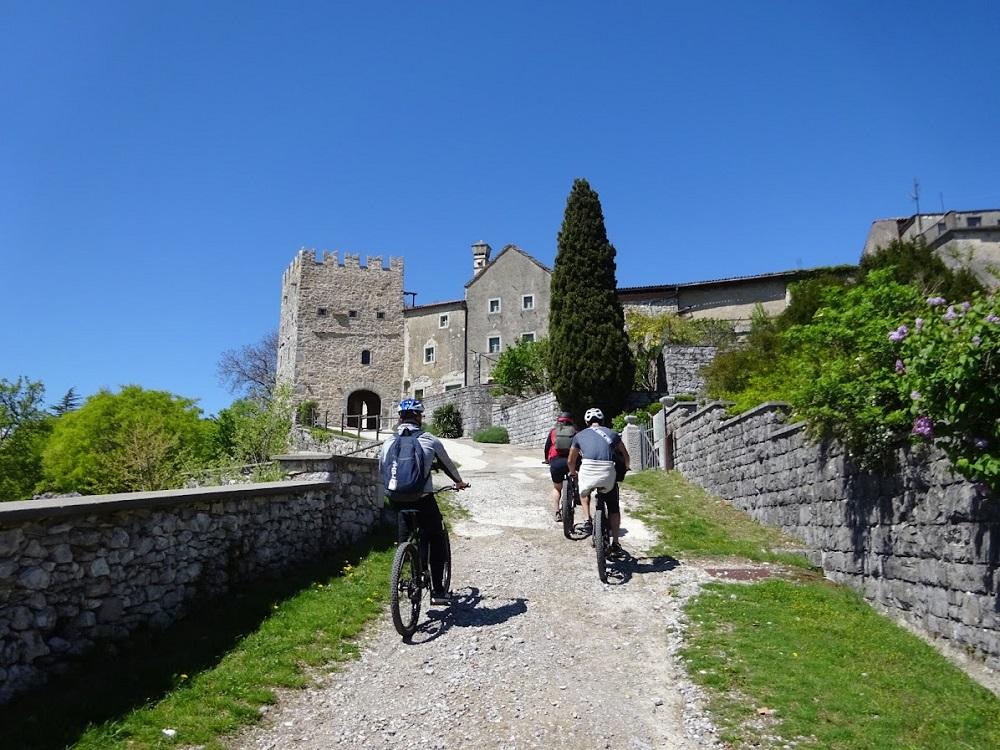
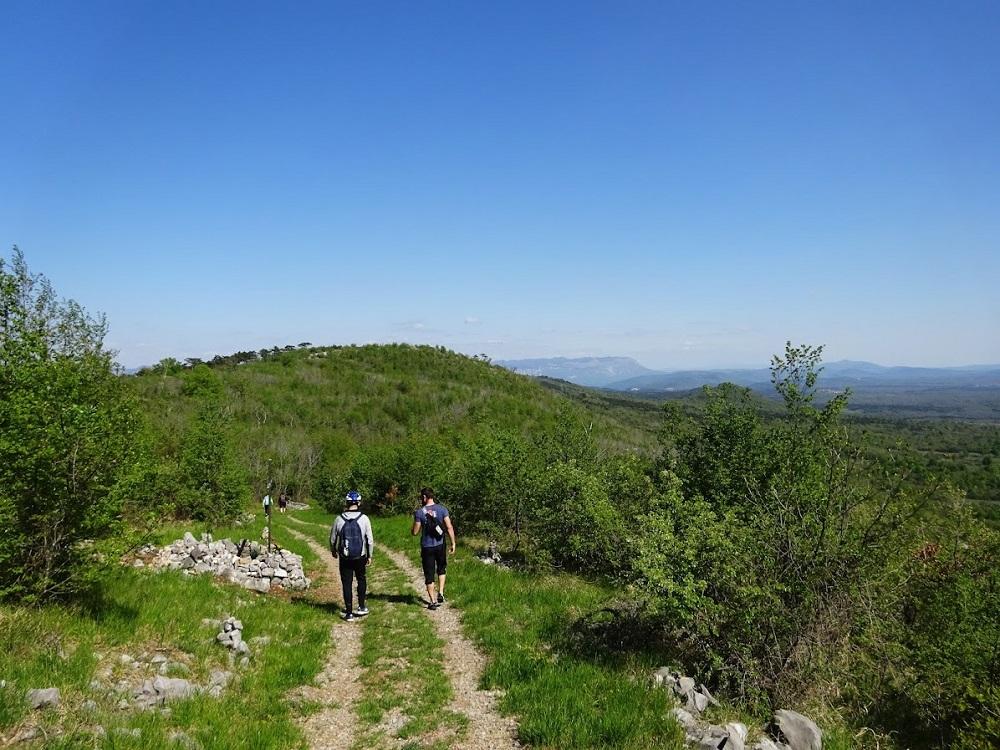
To begin our cycling expedition, we were given efficient, relatively light weight and well-balanced electric bicycles which we really enjoyed riding for the first time. Our whole adventure took us through some steep hills, but with the e-bikes we managed to cycle quickly without requiring much effort.
Our first stop was the Austro-Hungarian military cemetery located right next to the Dutovlje – Kreplje road, a step away from the village cemetery. It was created between 1915 and 1917. The valley, which is also the border of the cemetery, is fenced with a wall, and the grave fields in it are leveled. In addition to a small number of tomb crosses, a central monument in the shape of a cross has been preserved, under which a tombstone was built. It is believed that more than 3,000 soldiers were buried there.
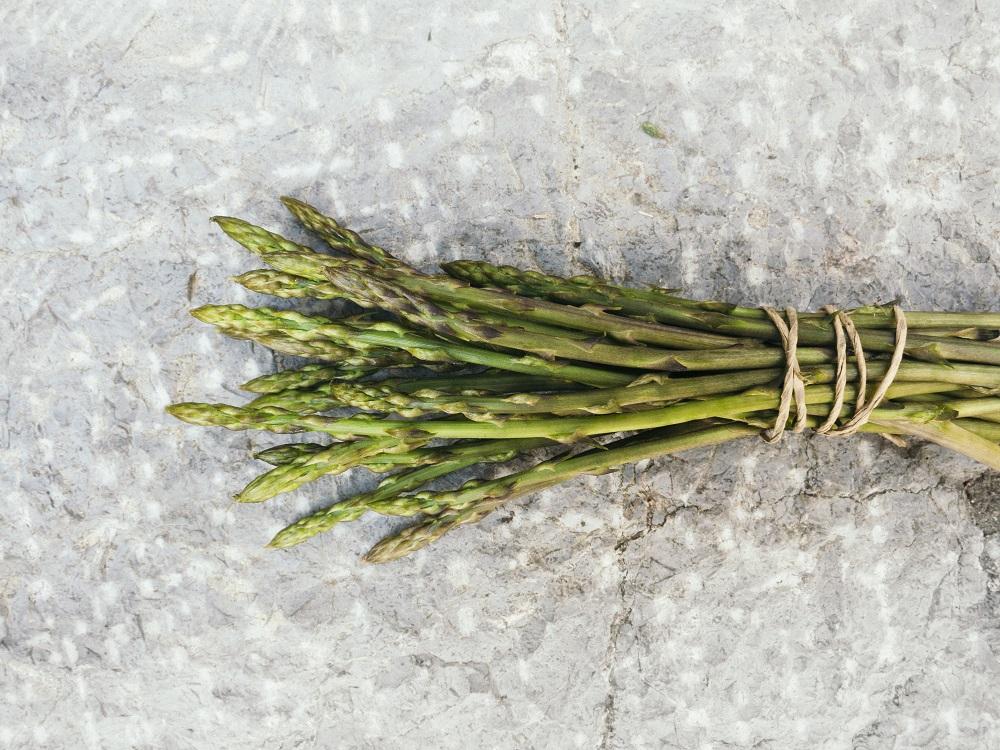
We continued cycling and a few minutes later, we left our bikes on the side of the road and headed into a forest. We were looking for our first hill fort. To our surprise we found two local people who were there picking asparagus. It is amazing how easy it is for Slovenians to spot them among all kinds of plants! Apparently, it wasn’t the asparagus season yet but some of them were already available to be picked. Of course, the Slovenians who came with us also found some asparagus and gave them to us to try. This was our snack!
Additionally, while walking through the forest, we also learnt about the names of some trees like “črni jesen” and “akacija.” Surprisingly, Slovenians recognize not only asparagus in the middle of the forest but also all kinds of trees, plants, animals in the nature as well as mountains and villages that can be seen along the valley.
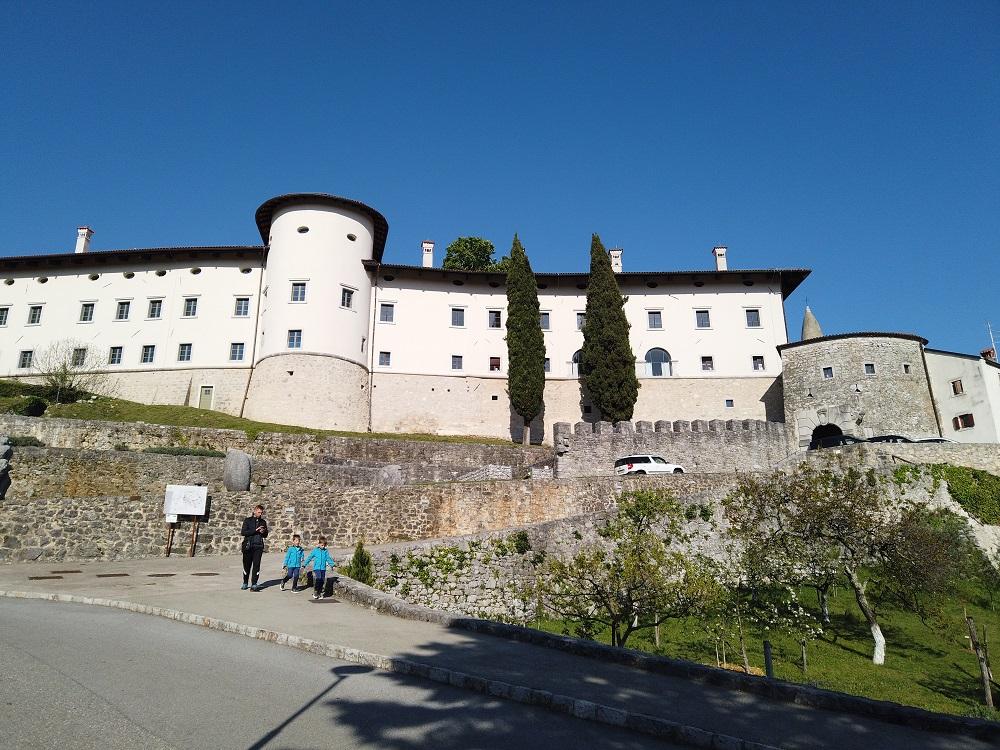
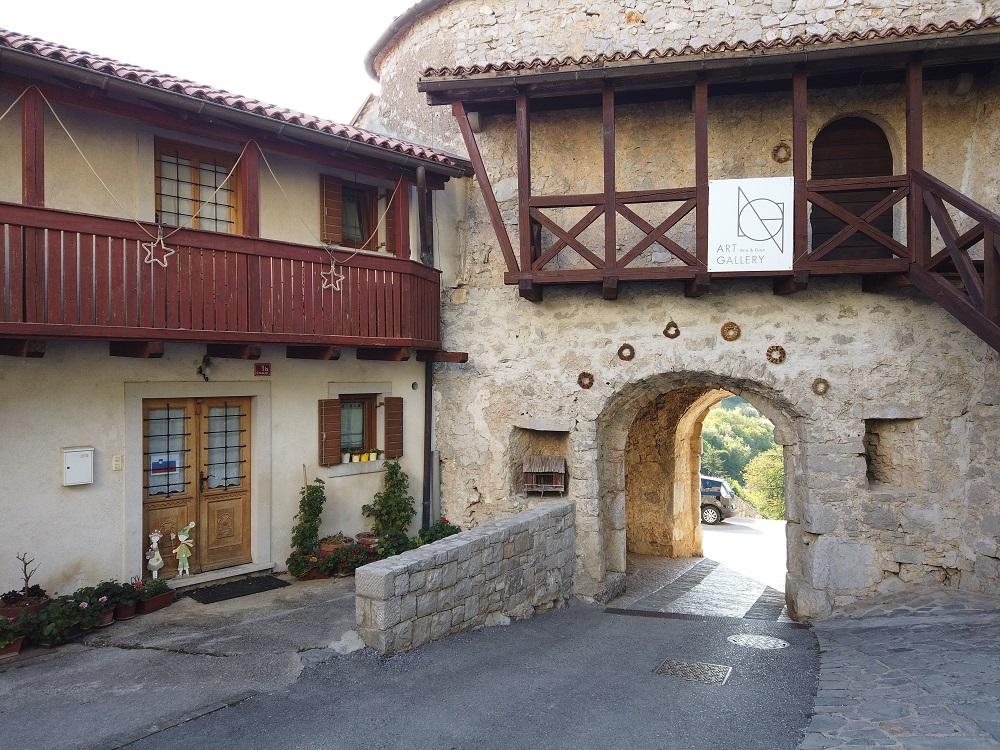
During the first day, we also passed through numerous villages and small towns, as well as innumerable vineyards, waiting to be prepared for the next grape harvest season. There, in that area, one of the most famous Slovenian red wines is produced: Teran, made from a Refošk variety of grape that grows in the red loamy soil in the Karst region. Even more, the ruby-red Teran wine can be perfectly paired with another Karst specialty: The Karst pršut, a truly tasty air-dried ham. These two Karst delicacies really fulfilled our trip to the region. The ones we tried for lunch in Štanjel and for dinner in Nova Vas were truly delightful. And if that wasn’t enough, we ended the day drinking more homemade Teran wine and even a Teran liquor in Zagrajec. After all those doses of Teran in our body and having cycled almost 40 km during the day, we slept peacefully in our accommodation.
Starting the second day of our expedition, a culinary delight similar to the previous day’s was awaiting us – pršut, homemade bread, goat cheese, fresh milk, coffee and a delicious herb frtalja.
Our host at the Apartma Hiša Pliskovica, Veronika, was always super attentive, warm and welcoming. Likewise, our guides Irena and Ivo were always very kind and clear. Whenever we had a question or concern, they managed to sort it out in a very positive and professional way.
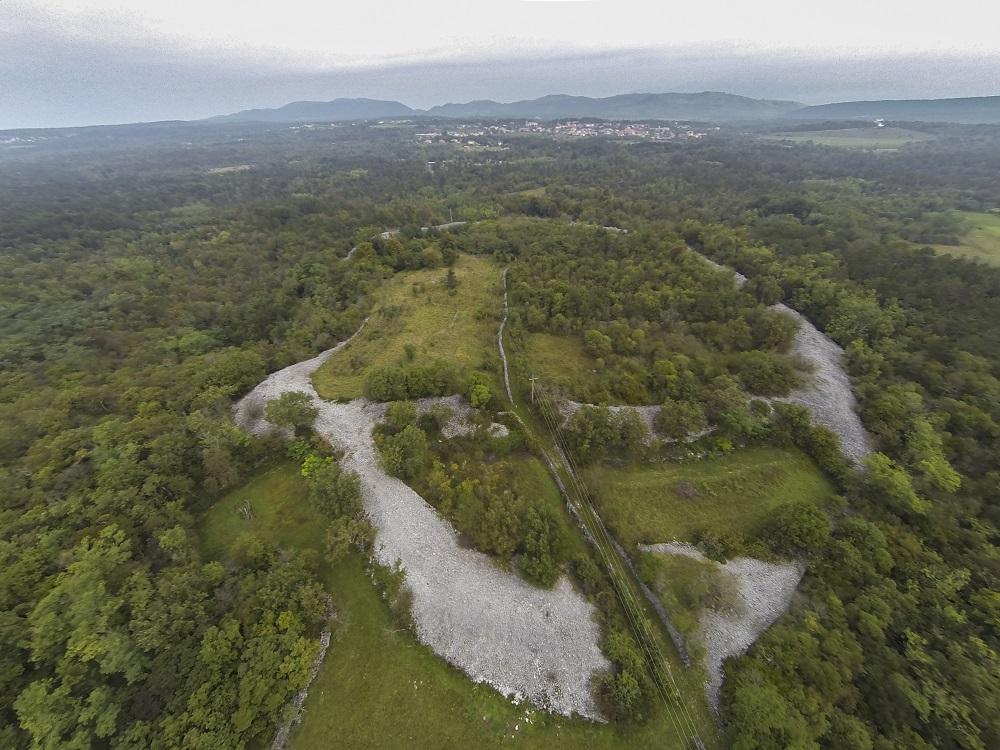
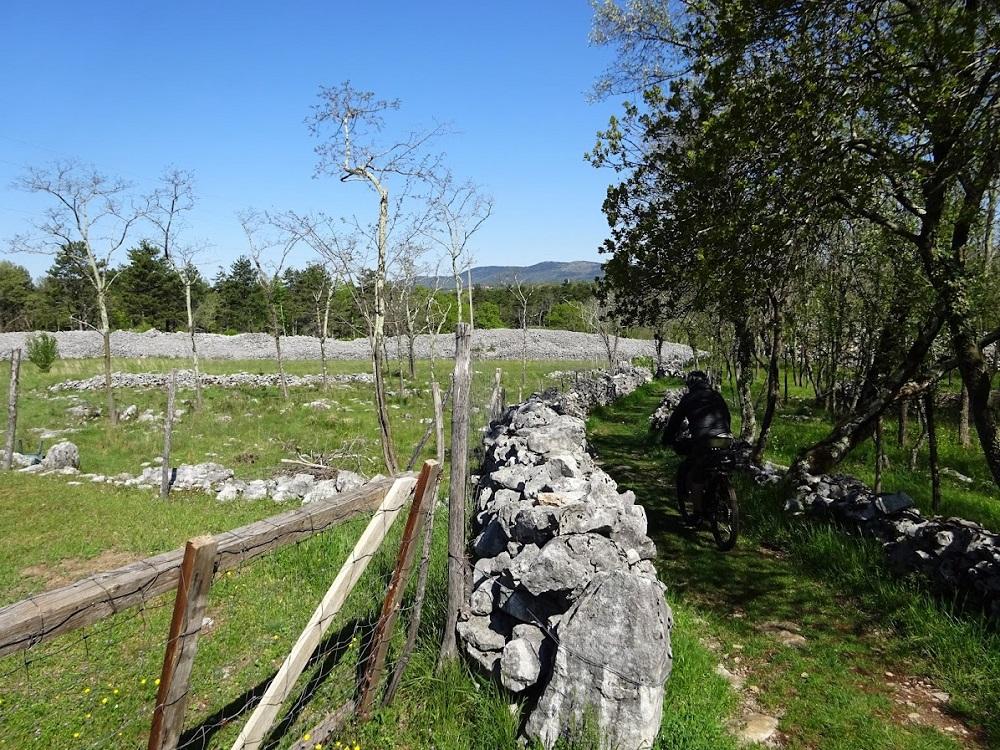
Heading towards Volčij Grad, we could enjoy the ride on our electric bikes through a path enclosed by an ancient dry-wall construction until we reached the tiny simple settlement of Kregolišče, which has the modest amount of 15 inhabitants. Near Volčij Grad, we cycled through a quarry named “Java” before hitting the ancient hill fort Debela Griža that contains remains of a mighty fortified ring from the Bronze and Iron Ages.
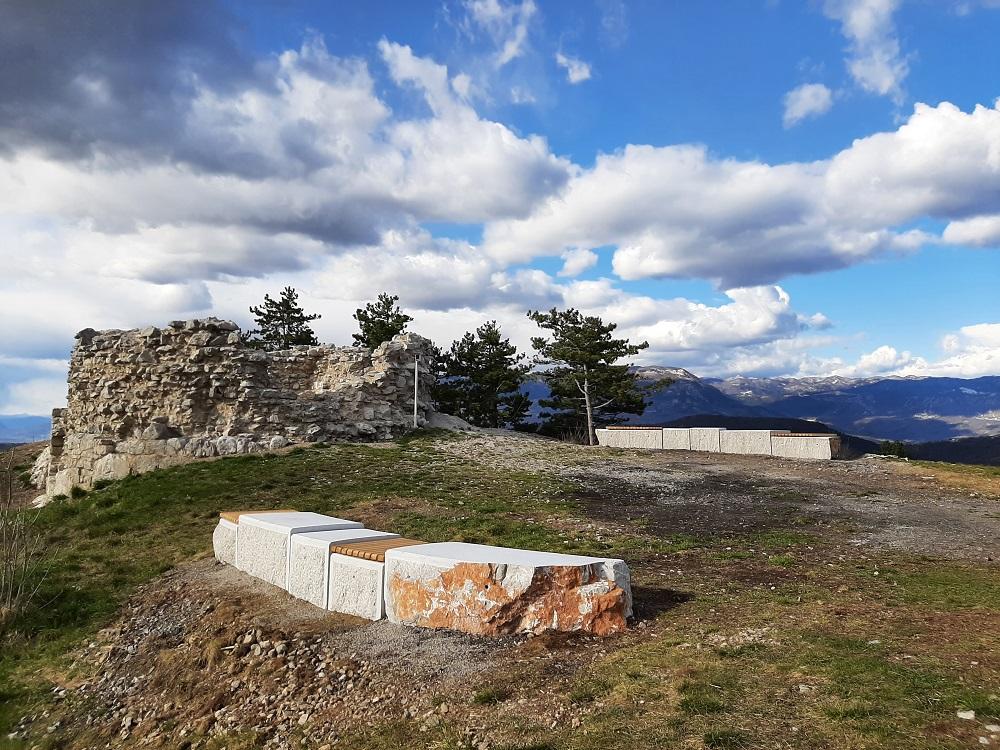
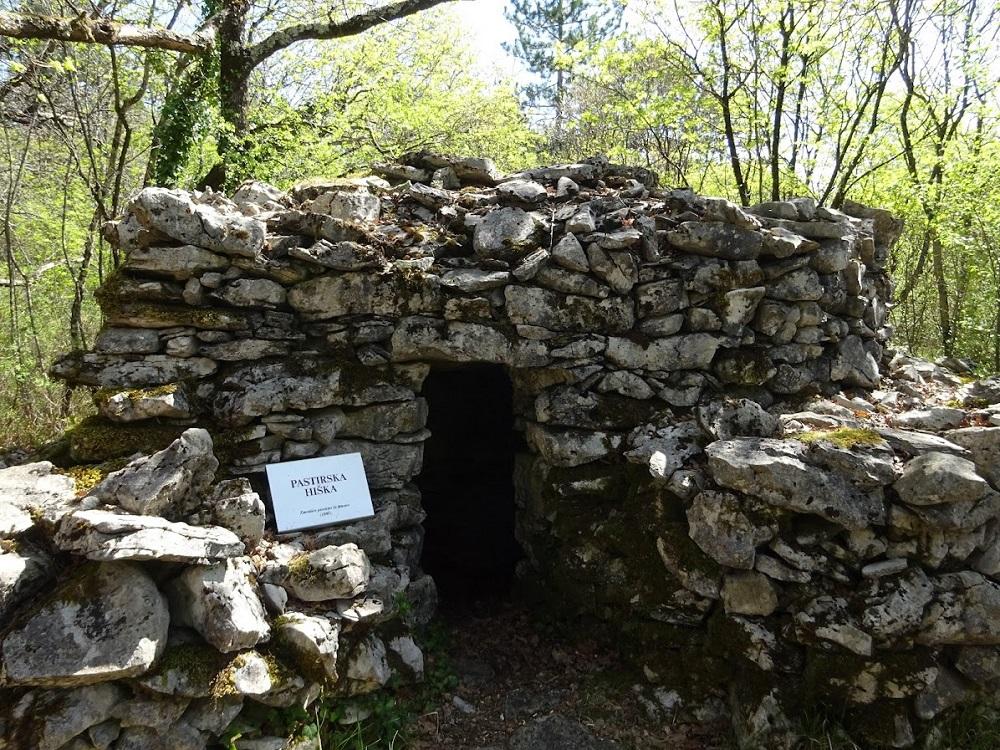
On our way, we stopped by a couple more hill forts and ran into a dry-walled “pastirska hiška” (shepherd’s hut) which is amazingly built using only stones. A particular hillfort, Brith, captured our attention due to its impressive view pointing towards Zagrajec.
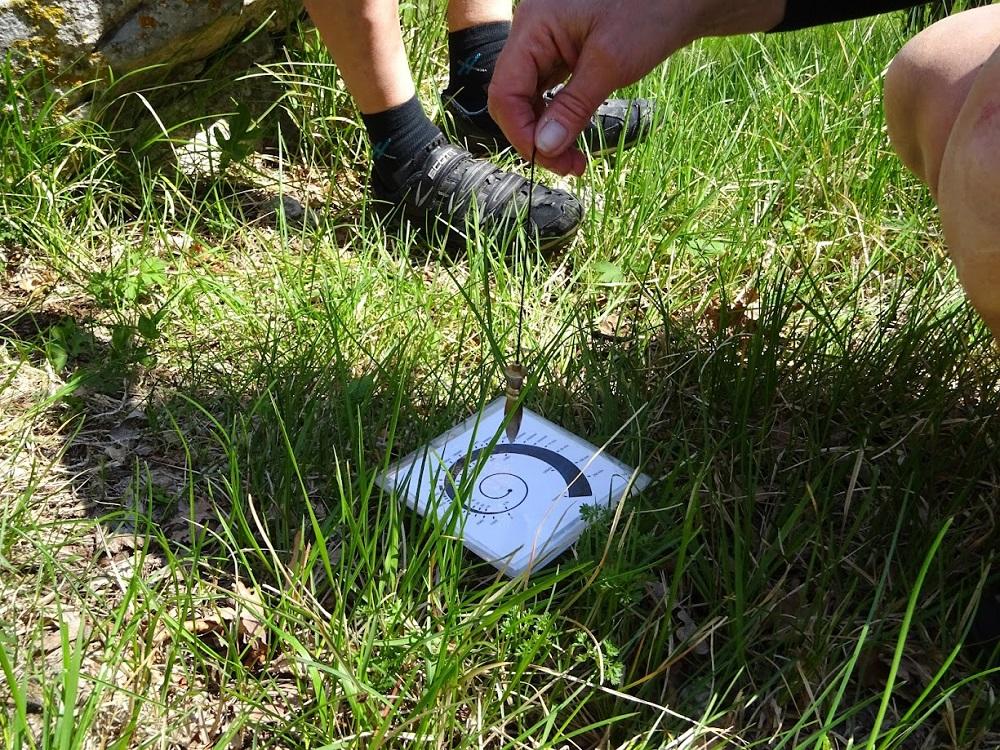
Near Temnica, we visited an ancient sanctuary called Gulak, where people used to balance out their energies using a kind of magnetic force from the stones. They laid the stones in an arrangement of seven rings in such a way that the force becomes more powerful the inner you go. This sanctuary was used to release negative energy and to meditate.
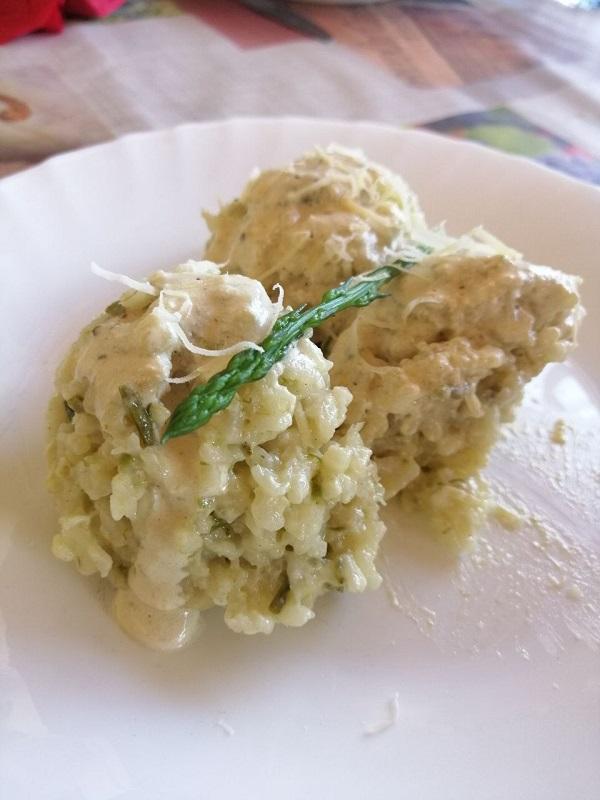
After our spiritual stop, we reached the destination for lunch: Lipa. There, we had a delicious jota, a marvellous rižota with asparagus, fresh bread, flavourful Teran and juicy štruklji. Continuing with our excursion, we climbed up to a hill fort in Škrbina through a path with twelve crosses. The view up there was one of the most astounding views during the trip.
We also visited the towns of Temnica, Škrbina, Sveto, Komen and many others. Reaching our final (and initial) destination, Pliskovica, the team said a warm goodbye.
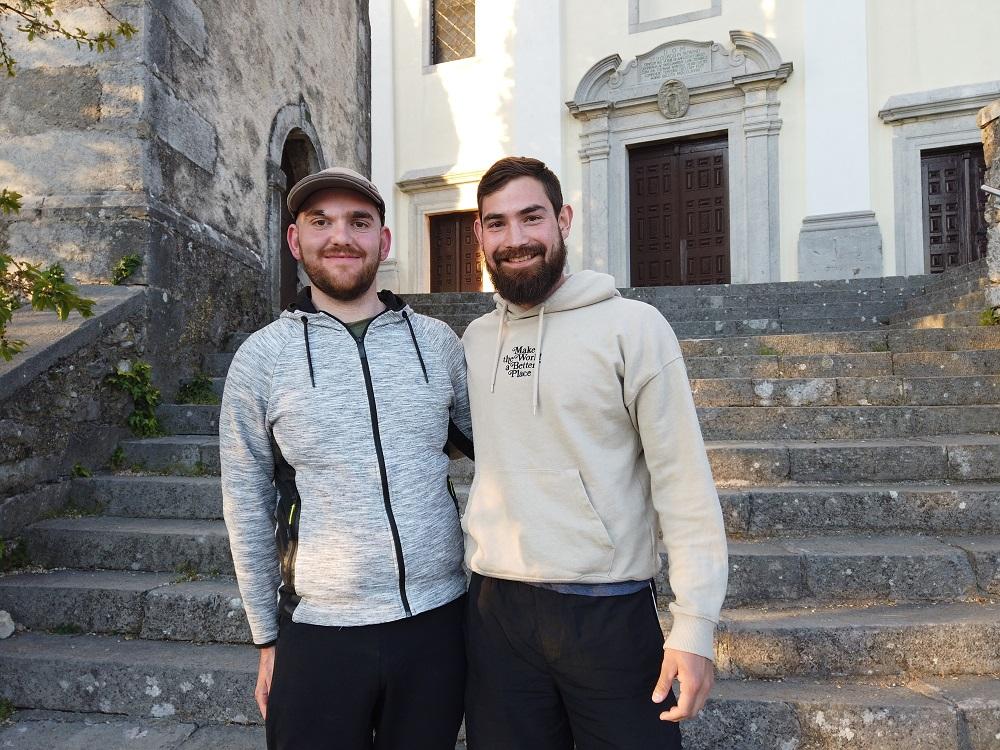
Overall, we had an amazing two-day expedition in the Karst region. We’re so thankful to our guides and to Radio Si, in particular, to Lidija Petkovič, for setting up this amazing opportunity to really get to know Slovenia’s hidden gems.
Blas Fernández & René Rodríguez
Photos by: Blas, Rene and Igorij Parkel